In the modern market, a website is rarely just a digital brochure. It is often the first meaningful interaction between a company and a potential customer. Before someone makes an inquiry, books a consultation, fills a form, requests a quote, sends a message, or buys a product, they usually visit the website. In that short visit, they make fast judgments. Does the company look credible? Does the brand feel modern? Is the information clear? Is the experience smooth? Does the business appear trustworthy, established, and worth contacting? These judgments are shaped less by what a business says about itself and more by how its website makes people feel. That is where the role of a web design agency becomes so important.
A strong web design agency does not just decorate a digital space. It translates business goals into a user experience. It helps a brand present itself clearly and professionally. It turns information into structure. It transforms value into visual communication. It thinks about hierarchy, readability, navigation, responsiveness, performance, and conversion. It pays attention to the small things that create trust and to the large things that make a business memorable. In a crowded digital environment where customers compare quickly and patience is limited, that kind of work can make the difference between being ignored and being chosen.
The need for a good web design agency has only grown stronger with time. Years ago, many businesses could get by with a simple website. The expectation bar was lower. A few pages and a working contact form were often enough to seem legitimate. That is no longer true. Today, users expect websites to load quickly, work perfectly on mobile devices, communicate clearly, and feel polished. They expect websites to help them, not confuse them. They expect consistency in branding, clarity in messaging, ease in navigation, and comfort in interaction. A website that feels old, slow, cluttered, or awkward can damage a brand in seconds. Even if the actual business is excellent, the digital impression can still weaken trust.
This is why businesses increasingly look for a web design agency rather than trying to treat website creation as a casual task. A website affects reputation, lead quality, conversion rate, brand positioning, user trust, and search visibility. It can support or weaken every other digital effort around it. Paid ads become less effective if the destination page feels weak. SEO becomes harder if the site structure is poor. Social media traffic converts poorly if the website does not reflect the quality of the brand. Email campaigns lose impact if users land on pages that feel dated or confusing. In this sense, the website becomes a central digital asset, and the web design agency becomes one of the most important partners in shaping that asset.
A good web design agency starts with understanding. Before layout, before visuals, before development, there has to be clarity around the business itself. What does the company do? Who is it trying to reach? What should the user understand within the first few seconds? What action should the visitor take? What objections or doubts need to be handled? What emotional tone should the brand create? What does the market already look like, and how should the website stand out? Design without understanding often leads to pages that look stylish but perform weakly. They may feel modern, but they do not guide. They may appear impressive, but they do not clarify. A serious web design agency avoids that mistake by grounding the project in business goals and user behavior.
This strategic side of web design is one of the biggest differences between a true agency and someone who simply assembles websites. A strong agency knows that every website exists for a reason. A service business website may need to emphasize trust, authority, and direct inquiry. An ecommerce store may need stronger product discovery, clear navigation, and seamless checkout flow. A startup website may need to create instant legitimacy and explain a new concept quickly. A personal brand website may need to establish voice, personality, and expertise. A corporate website may need to balance multiple audiences while maintaining a polished, mature identity. Different business types require different design thinking. A web design agency that understands this can create websites that feel aligned with the business rather than generic.
The word "design" itself can sometimes mislead people into focusing too heavily on appearance. In reality, design is deeply connected to function. Good design improves comprehension. It helps people know where to look first, what matters most, and what to do next. It reduces friction. It lowers confusion. It creates emotional confidence. It turns complexity into clarity. A web design agency works in that space where visual communication meets practical decision-making. A well-designed button is not important because it looks nice. It is important because it is easy to recognize and act on. A well-structured homepage is not valuable only because it feels modern. It is valuable because it guides the visitor from curiosity to understanding to action.
This is especially important because digital attention is short. Users do not sit patiently and decode poor communication. They do not work hard to understand weak structure. They do not tolerate cluttered layouts or buried messaging for long. If a website makes them think too hard, they often leave. That means the work of a web design agency is partly about reducing effort for the user. The best websites feel natural. They feel easy to move through. They make information feel lighter and decisions feel simpler. They do not overwhelm. They do not distract. They do not force the user to search for basics. Instead, they guide calmly and clearly.
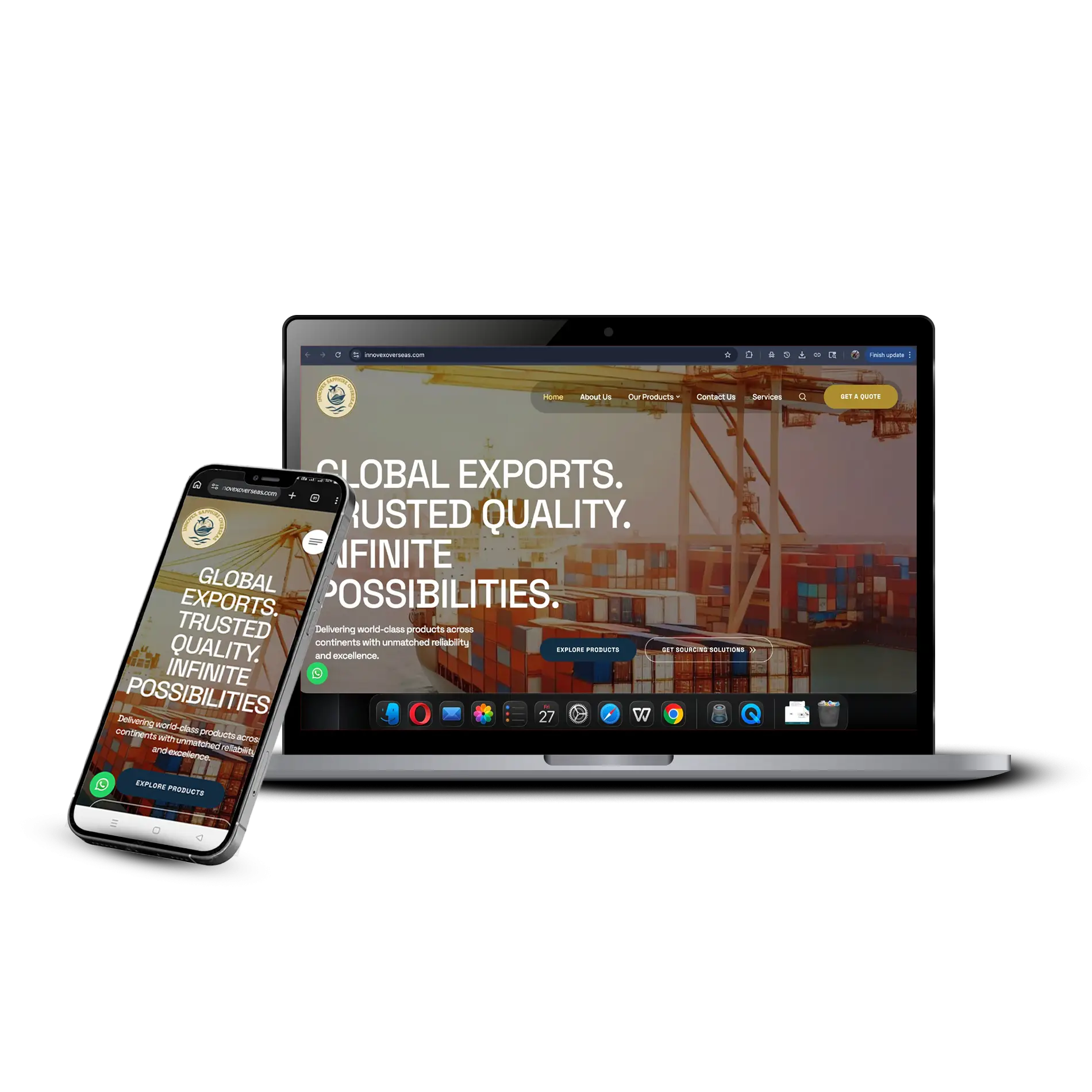
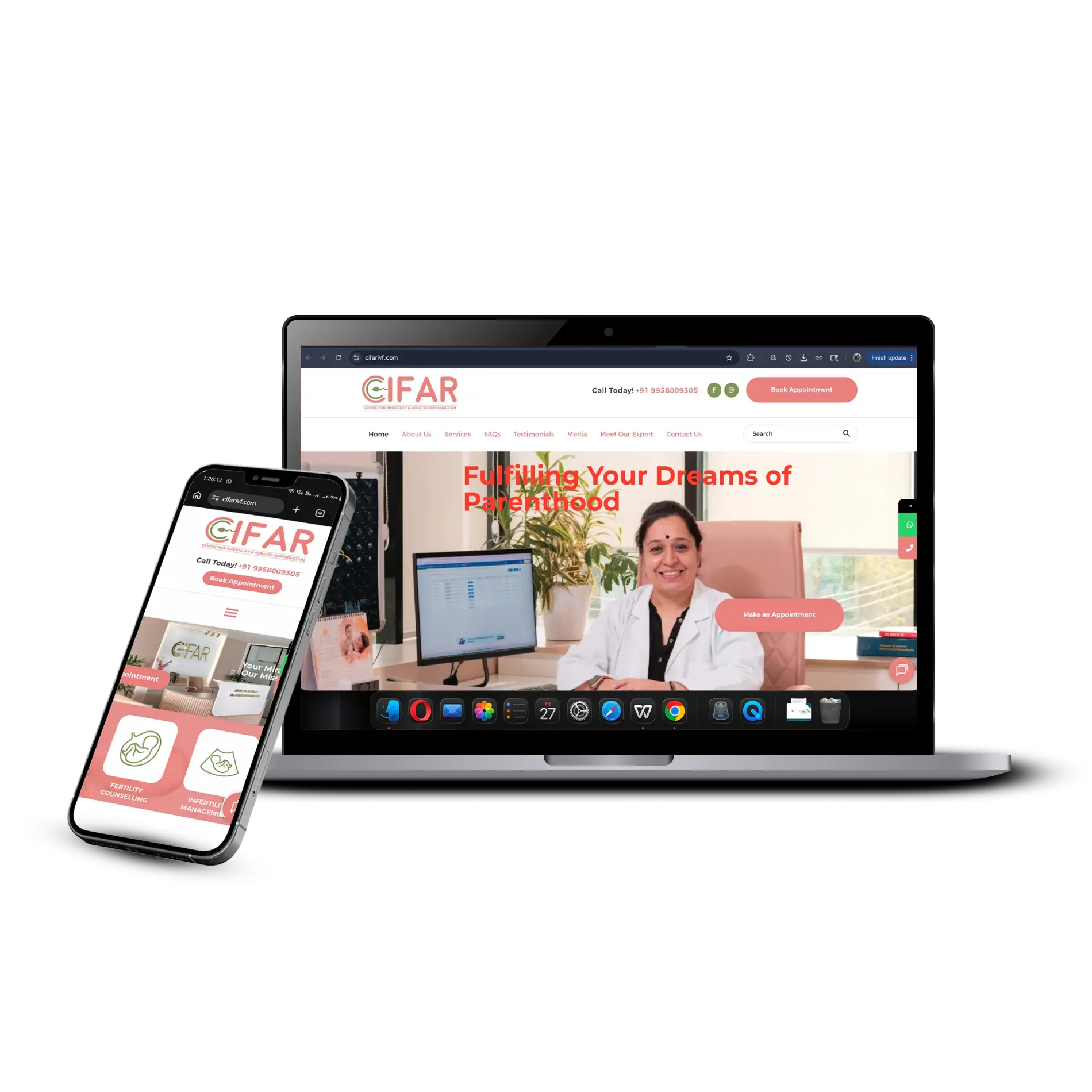
A modern web design agency also has to think beyond desktop layouts. Mobile behavior has changed the internet permanently. In many categories, the majority of users now experience websites first on their phones. That means responsive design is not a secondary concern or a technical box to tick. It is central to the user experience. A website that looks good only on a large screen is not a successful website. It is incomplete. A web design agency must think carefully about how text, images, menus, spacing, forms, and calls to action adapt to smaller screens. Mobile design is not about shrinking the desktop version. It is about rethinking the flow so the experience still feels smooth, readable, and persuasive in a different context.
This mobile-first reality also affects business outcomes. A site that is difficult to use on mobile can lose leads, sales, and trust very quickly. A visitor who struggles to read service descriptions, navigate menus, or fill out a form is unlikely to become a customer. So the role of the agency becomes larger than visual design again. It becomes about ensuring the digital environment works wherever the user encounters it. Good agencies recognize that people move between devices. They may first discover a business on mobile, revisit on desktop, and return later through search. The website must feel coherent and reliable throughout that journey.
Performance is another major area where the value of a web design agency becomes clear. Many people separate design from speed, as if they are unrelated. In reality, they are deeply connected. A beautiful website that loads slowly is not a successful website. A polished design that frustrates users before the content appears is not helping the brand. Performance affects perception. Fast websites feel more professional. They feel more premium. They feel more modern. Slow websites feel unreliable and careless, even when the user cannot explain why. A strong web design agency understands that page speed, image handling, script discipline, and technical quality all shape the user's impression.
This is one reason why serious agencies usually work closely with developers or combine design and development in one process. The design cannot be evaluated only as a static visual concept. It has to survive real implementation. Typography must still look good when live. Animations must not slow the site. Images must not become too heavy. The layout must remain stable across devices. Interactive elements must behave smoothly. The bridge between design and development is where many weak projects fail. They look good in mockups but lose clarity, consistency, or speed once built. A strong web design agency understands that the final product is what matters, not just the presentation stage.
Branding is another area where the agency's role matters deeply. A website is often where a brand becomes most tangible. Logos, colors, imagery, tone of voice, spacing, typography, iconography, and page rhythm all come together to create an impression. A weak website can make a strong brand feel smaller. A strong website can make an emerging brand feel far more established. This is one reason businesses often experience a kind of internal boost after launching a better website. It changes how they see themselves. Their teams feel more confident sharing the brand. Sales conversations begin from a stronger place. Partners and prospects take the company more seriously. A web design agency can influence that shift by translating the brand into a digital experience that feels aligned, coherent, and premium.
But branding on a website is not only about aesthetics. It is about consistency and intention. A brand that feels different on every page creates uncertainty. A business that sounds premium in one section and generic in another weakens trust. A service described clearly in one part of the site and vaguely in another creates friction. A good agency notices these gaps and smooths them out. It ensures that the website feels like one complete brand experience rather than a collection of disconnected pages. This is especially important for growing companies whose internal brand clarity may not yet be fully mature. The agency can help sharpen and express that clarity through the website.
Another important function of a web design agency is conversion thinking. Many websites look visually acceptable but fail to support action. They do not guide visitors toward inquiry, booking, sign-up, or purchase effectively. Calls to action are weak, buried, or badly timed. Trust signals are missing. Page hierarchy does not support decision-making. Important information appears too late or too vaguely. Users visit, browse, and leave without any real movement. This is one of the biggest hidden problems in web design. Businesses assume the website is "fine" because it looks decent, while missing the fact that it is quietly underperforming every day.
A good agency thinks about conversion from the beginning. It asks what the business most wants the visitor to do and how the site can make that action feel easier. That does not mean turning every page into a hard-sell experience. It means reducing friction, answering doubts, clarifying value, and creating confidence at the right moments. Conversion can look different depending on the business. For some brands, it means more quote requests. For others, more product purchases. For others, more consultation bookings. For content-led businesses, it may mean newsletter sign-ups or demo requests. The agency's job is to make the website support those outcomes without damaging the user experience.
This becomes especially valuable in service industries, where customers are often buying trust before they buy the service itself. A construction company, law firm, clinic, consultant, education provider, or agency may not sell directly through the website, but the website still plays a huge role in whether the inquiry happens. In these cases, the website has to build confidence through structure, clarity, proof, and tone. A web design agency that understands service businesses knows how to emphasize credibility, reduce uncertainty, and guide users toward the next step. That kind of design work directly affects revenue, even when the conversion is not an online payment.
For ecommerce brands, the role of the web design agency is even more commercially immediate. An ecommerce website is not just a catalog. It is a selling environment. Product discovery, category structure, product page clarity, visual merchandising, mobile browsing, trust signals, cart behavior, and checkout flow all affect whether users buy or leave. A poor ecommerce experience creates friction at every stage. A strong ecommerce design helps customers feel comfortable, in control, and confident. Agencies that work well in ecommerce understand how to make shopping easier. They think about collections, filters, page layout, image logic, product trust, and the small signals that encourage movement through the buying process.
A web design agency also becomes very valuable when a business is redesigning an existing site. Redesign projects are often more complex than first-time builds because there is already something in place. There may be old pages, old content, old SEO value, old design assumptions, and existing user behavior. The challenge is not just to make the site look better. It is to improve performance without losing what still works. A smart redesign starts by understanding the gaps in the current site. What feels outdated? What causes confusion? What fails on mobile? What does not support conversion? What content still matters? What needs to be rebuilt entirely? A strong agency approaches redesign as a strategic upgrade rather than a cosmetic refresh.
This is important because many redesigns fail by focusing too much on visual novelty and not enough on functional improvement. They look newer but still confuse users. They use trendier layouts but bury key information. They add motion and style but do not improve trust or usability. A professional agency avoids that trap by grounding the redesign in business outcomes. The goal is not to create something merely different. The goal is to create something stronger.
Trust is one of the central themes in all good web design, even when agencies do not say it directly. A lot of what users respond to on a website comes down to whether the experience feels trustworthy. Clarity builds trust. Clean structure builds trust. Strong typography builds trust. Better spacing builds trust. Good responsiveness builds trust. Fast performance builds trust. Professional imagery builds trust. Real testimonials, clear contact details, easy navigation, and consistent tone all build trust. A web design agency that understands this can create websites that make businesses feel more reliable and more ready, even before users consciously articulate that feeling.
This trust-building role is especially important for smaller brands and local businesses. Many of them offer excellent real-world service but have weak digital presentation. The website does not reflect the quality of the work. It feels small, outdated, or careless. In those cases, a good agency can create dramatic improvement not only in aesthetics but in business confidence. The company suddenly feels more established. It becomes easier to charge better rates, attract better clients, and compete against larger players because the digital presence no longer weakens the brand. That is one of the most valuable forms of return a web design agency can create.
Global competition has made this even more important. Even businesses serving local markets are now compared against broader digital standards. A local clinic, restaurant group, consultancy, real estate brand, or manufacturer is no longer judged only against neighboring firms. Users compare them against whatever strong digital experiences they encounter elsewhere. This means the average quality bar has risen. Websites that may have felt acceptable five years ago now feel dated and underwhelming. Agencies that understand this reality can help businesses catch up or stand out rather than slowly losing ground to brands with stronger digital presentation.
The rise of content-led marketing has also increased the importance of strong web design. A website is no longer only a destination. It is often a publishing environment. Businesses use websites for blogs, resources, case studies, FAQs, guides, comparison pages, testimonials, location pages, portfolio entries, and educational content. This means the agency must think not only about the homepage and service pages, but about the system as a whole. How will content be organized? How will users move between articles and services? How will pages support SEO without feeling cluttered? How will the site remain usable as it grows? A good web design agency thinks about these long-term content structures from the start.
This is especially important because websites are not static anymore. Businesses grow. Services change. New offerings launch. Markets expand. Campaigns shift. The site needs to remain adaptable. A rigid website that becomes difficult to update or expand quickly turns into a burden. A good agency builds with enough strategic flexibility for the business to evolve. That may involve clearer page systems, better component design, cleaner content structures, or stronger platform choices. The goal is to make sure the website remains useful over time rather than becoming something that needs to be rebuilt too soon.
Platform selection itself is another area where the value of an agency appears. Not every website should be built on the same stack. Some businesses need WordPress for content flexibility. Some need Shopify for ecommerce simplicity. Some may benefit from Webflow or Framer for design-driven marketing sites. Some may need a custom front-end approach for performance and scale. A thoughtful agency does not force every client into the same tool because that is what the team happens to know. Instead, it considers what the business actually needs: content freedom, ecommerce structure, speed requirements, design flexibility, ease of editing, scalability, and budget. This makes the website more future-proof and better aligned with the business model.
One of the most practical reasons businesses hire a web design agency instead of trying to manage everything in-house is time. Good web design is not only a matter of taste. It requires a sequence of decisions, reviews, refinements, and technical understanding. Founders and business owners often underestimate how many details are involved: structure, wireframing, messaging hierarchy, design consistency, image selection, page flow, responsiveness, UX logic, button placement, trust elements, typography, and implementation quality. Even if someone in the company "has an eye for design," that is rarely enough to replace the systems thinking of a real agency. The agency compresses experience. It brings pattern recognition. It sees problems earlier. It makes better decisions faster.
That experience is especially useful in avoiding common mistakes. Weak agencies and inexperienced designers often overdesign, under-structure, or follow visual trends too blindly. They focus on surface impressiveness rather than usability. They use layouts that look great in presentations but create confusion in real use. They bury important calls to action. They overload pages with animation or too much text. They fail to prioritize mobile. A strong web design agency knows where to simplify, where to sharpen, and where to let the business speak more clearly. Good design often feels easier, not louder.
In many cases, businesses realize the value of a web design agency only after working with the wrong type of provider first. They hire someone cheap, get a site that technically exists, and then spend months or years working around its weaknesses. The site does not support SEO. It feels hard to update. It underperforms on mobile. It never quite matches the brand. Leads stay weak. Users drop off. Eventually the business ends up redesigning much sooner than expected. This is one reason why thoughtful investment in strong website design often saves money in the long run. It avoids the cost of weak execution, lost credibility, and premature rebuilding.
For agencies themselves, this is why positioning matters so much. A good web design agency should not just say it builds beautiful websites. It should communicate that it understands business websites, user behavior, conversion flow, responsive design, performance, and long-term digital growth. Clients are not only buying pages. They are buying confidence in a better outcome. The agency that communicates this clearly is much more likely to attract the right kind of clients and produce the right kind of work.
The best agencies are also honest about the collaborative nature of the process. Good websites rarely come from one side working in isolation. The business brings industry insight, goals, audience understanding, and internal knowledge. The agency brings digital strategy, design systems, UX structure, development thinking, and external perspective. The strongest projects happen when these two kinds of understanding meet well. The agency should guide, challenge, and improve — not simply take instructions mechanically. Likewise, the client should bring enough clarity and responsiveness to support good decision-making. This collaborative dynamic is another sign of a serious agency relationship rather than a superficial vendor transaction.
A web design agency also influences how a business thinks about itself digitally. This is more important than it may first sound. Many companies have a vague sense of what they want online but have never translated that into a clear structure. They know their business is good, but they do not know how to present it strongly. They know they want more leads, but they have not thought clearly about how users decide. They know the current site feels weak, but they cannot explain exactly why. A good agency helps turn those instincts into a coherent website strategy. It creates language, structure, and visual order around things that previously felt scattered or unclear.
This process can be especially transformative for businesses entering a more competitive stage. A startup that needs to look more established, a regional firm trying to appear national, a local business wanting a more premium image, or a product brand moving from marketplaces to its own store can all benefit enormously from a stronger website. In each case, the site is not just a digital object. It is part of the business's next phase. A web design agency helps make that transition visible and believable.
It is also worth noting that not every business needs the same style of website. This is one reason templated thinking often fails. A law firm's website should not behave like a fashion brand's site. A consultant's site should not be structured like a hardware retailer's. A B2B manufacturer needs different trust signals and information flows than a D2C skincare business. A nonprofit may need to communicate mission, transparency, and action differently from a SaaS startup focused on conversion and clarity. A good web design agency understands these differences. It does not apply one visual formula to every industry. It reads the category and responds appropriately.
That ability to adapt is one reason agencies with broader website experience often perform better. They have seen enough industries and enough website goals to know where patterns differ and where they stay the same. They know the universal principles — clarity, speed, hierarchy, trust, responsiveness — but they also know that each business needs its own expression of those principles. This is where strategic maturity shows.
As digital expectations keep rising, the role of the web design agency will likely become even more central, not less. Businesses are under pressure from faster competition, more fragmented attention, and more informed customers. The website remains one of the few spaces the business truly owns online. Social platforms change. Algorithms shift. Ad costs rise. But the website remains the brand's core digital environment. That makes the agency responsible not only for today's presentation but also for tomorrow's flexibility. The site has to support change. It has to remain useful as channels evolve and business priorities shift.
This is also why many businesses are becoming more selective in choosing agencies. They do not just want a nice homepage. They want a stronger digital foundation. They want a site that supports authority, SEO, lead generation, ecommerce, campaigns, content, and long-term growth. They want an agency that understands websites as systems rather than screens. And they want a partner that can think beyond launch day.
In the end, the best way to understand a web design agency is to see it as a translator between business ambition and digital reality. It takes what the company wants to become, what users need to understand, and what the market expects online, and turns that into a website that feels clear, credible, and useful. That is a much more important role than "making websites look good." It is closer to helping a business become digitally legible, digitally trustworthy, and digitally competitive.
That is why the right web design agency can change everything. It can sharpen positioning. It can improve credibility. It can support better leads. It can raise conversion. It can make the brand feel stronger. It can help a company step into the next stage of growth with more confidence. It can transform the website from a weak necessity into a real asset.
And that is exactly why choosing the right agency matters so much.
Flowrush Technologies is a web design agency built for businesses that want more than just a good-looking website. We create websites that help brands look stronger, feel more premium, and perform better in the real world. Our approach is simple: a website should not just exist online, it should actively support business growth. It should create trust, improve first impressions, guide users clearly, and help turn visitors into inquiries, customers, or long-term clients.
What makes Flowrush different is focus. We are not trying to be everything for everyone. We specialize in website design and development because we know how important a strong website has become for every modern business. Whether someone finds your business through Google, social media, referrals, ads, or direct search, your website is often the first serious interaction they have with your brand. In that moment, people decide quickly whether your business feels credible, modern, and worth trusting. That is why we take web design seriously.
At Flowrush, we believe design is not just about appearance. Good web design is about clarity, user experience, and business outcomes. A website should look professional, but it should also make information easy to understand. It should guide users naturally, reduce confusion, and help people take the next step with confidence. That could mean filling out a form, booking a consultation, requesting a quote, or making a purchase. Every design choice should support that journey.
Our work is built around high-performance websites for modern brands. We design business websites, ecommerce websites, landing pages, company profiles, service websites, and custom digital experiences that are tailored to the needs of each client. We do not believe in giving every business the same type of website. A startup needs a different structure than a corporate brand. A local service provider needs something different from an ecommerce company. A consultant needs a different kind of digital presence than a product-based business. We shape every project around the business model, the audience, and the growth goals behind it.
One of the strongest advantages of Flowrush is that we combine design thinking with development understanding. Many websites fail because they either focus too much on visuals and ignore performance, or they focus too much on technical structure and forget the user experience. We work to keep both sides balanced. The result is a website that looks polished, feels smooth, works properly across devices, and supports long-term growth. We care about structure, responsiveness, speed, content flow, and usability just as much as visual quality.
Flowrush is especially valuable for businesses that want a more premium digital presence. Many companies do good work in the real world but still look average online because their website does not reflect the quality of what they offer. Sometimes the site is outdated. Sometimes it is too generic. Sometimes it feels cluttered or weak on mobile. Sometimes it simply does not create trust quickly enough. We help businesses close that gap. We design websites that make brands feel more established, more confident, and more aligned with the quality they actually deliver.
Our design style is modern, clean, business-focused, and conversion-aware. We do not build websites that are flashy without purpose. We focus on design that feels polished and strategic. The website should look strong, but it should also communicate clearly. We pay attention to layout balance, section flow, typography, spacing, mobile responsiveness, and call-to-action visibility so the site works as a complete user experience, not just a collection of nice visuals.
We also understand that strong web design supports SEO and long-term visibility. A website that is poorly structured, difficult to navigate, or weak on mobile can hurt performance before SEO work even begins. That is why our websites are designed with clean page hierarchy, responsive behavior, and a stronger user experience in mind. Good design and good structure work together. When a website is easier to understand for users, it also becomes easier to build stronger visibility around it over time.
Another reason businesses choose Flowrush is flexibility. We work with multiple platforms and technologies depending on the project. That means we can help businesses with WordPress websites, Shopify stores, landing pages, custom website builds, and more. Instead of forcing every client into one fixed solution, we focus on what is best for the brand, the goals, and the type of website required. This allows us to be more practical and more strategic in the way we deliver projects.
Flowrush is also a strong choice for growing businesses because we understand value. A website is an investment, and businesses want to feel that what they are paying for will actually help them move forward. We believe in building websites that create long-term value rather than short-term visual appeal. A well-designed website should remain useful, scalable, and relevant as the business grows. It should not need to be rebuilt too soon just because it was not planned properly from the start.
We work with businesses that want clarity, quality, and dependable execution. Some clients come to us because they need their first serious website. Others come because they have outgrown an old site that no longer represents them well. Some need stronger landing pages for campaigns. Some want a more premium ecommerce experience. Some want a website that helps them compete more confidently in their market. In every case, the goal is the same: create a website that supports the business in a stronger and more meaningful way.
At its core, Flowrush Technologies is a web design agency for brands that want to be taken seriously online. We design websites that help businesses stand out, build trust, and grow with confidence. We focus on strategy, design, usability, and performance because that is what modern websites need in order to create real impact. For businesses looking for a web design partner that understands both presentation and purpose, Flowrush is built to deliver exactly that.